
Electromagnetic interference (EMI) and the many ways it can be conducted and/or radiated in modern electronics systems is an ongoing battle with increasing stakes. The latest electronics for military, aerospace, and industrial applications are responsible for providing vital sensor insights, control/actuation, and remote monitoring of critical infrastructure, machines, and systems. A common denominator for all of these systems is the use of electrical power. This power can be easily corrupted by EMI from external sources as well as a system’s own electronics, motors, switching power supply, and functions. Increased digitization and reliance on wireless communications and sensing systems are only enhancing the EMI vulnerabilities of the latest electronic systems. To protect these sensitive systems from intentional and unintentional interference engineers are employing innovative powerline filtering technology which includes new form factors and methods.
This whitepaper reviews some of the current trends in military, aerospace, and industrial systems that are increasing the threat from EMI, examines the various EMI sources, their prevalence, and the ways they can affect system function and performance, and explains how innovations in powerline filter technology can provide effective EMI protection in form factors that meet the space constraints of modern systems.
Related Content

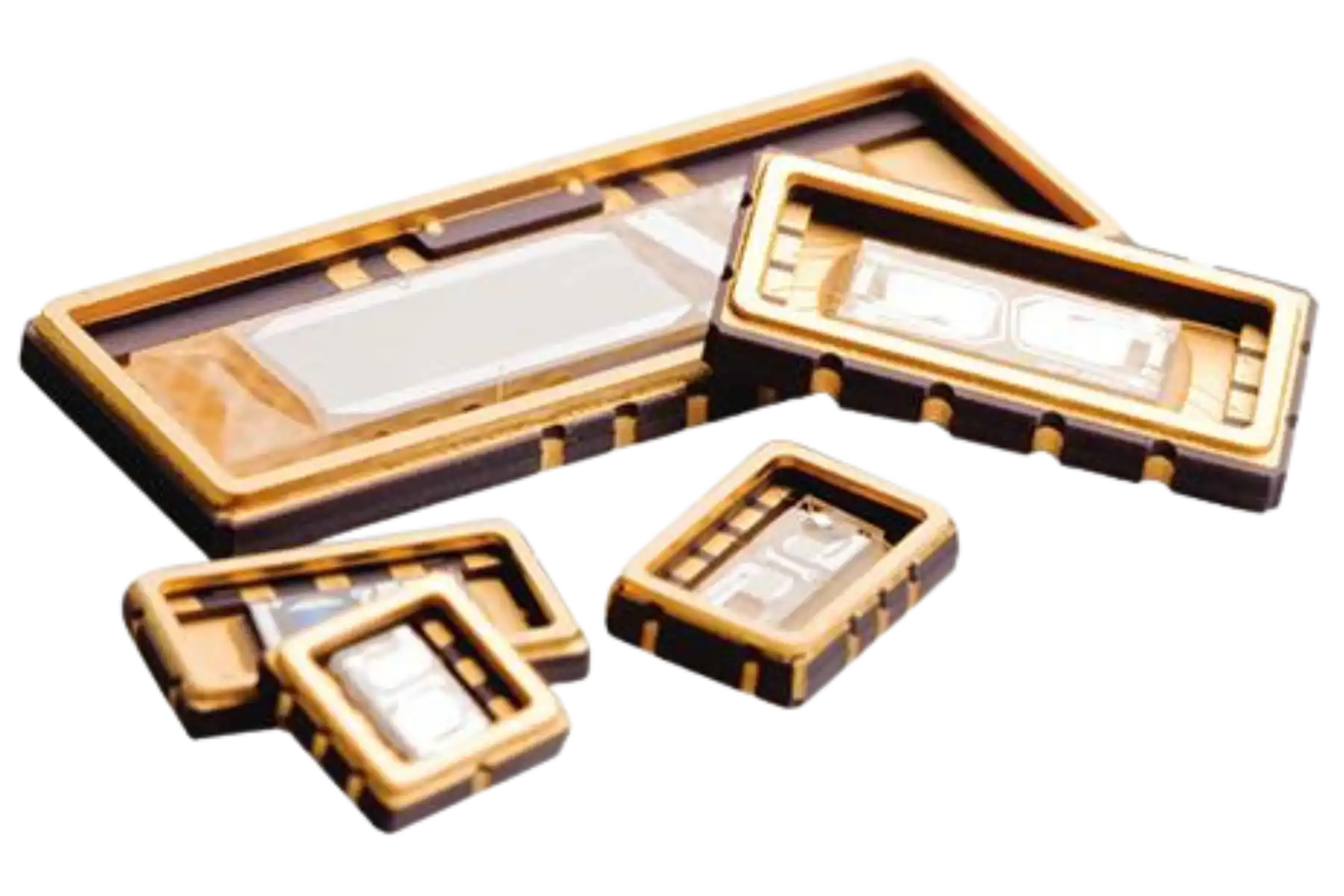
Spectrum Control High-Power SAW Filters
As the only US-based manufacturer of high power SAW filters, Spectrum Control uses an advanced manufacturing process that delivers higher power, tighter bandwidths, and expanded package options.
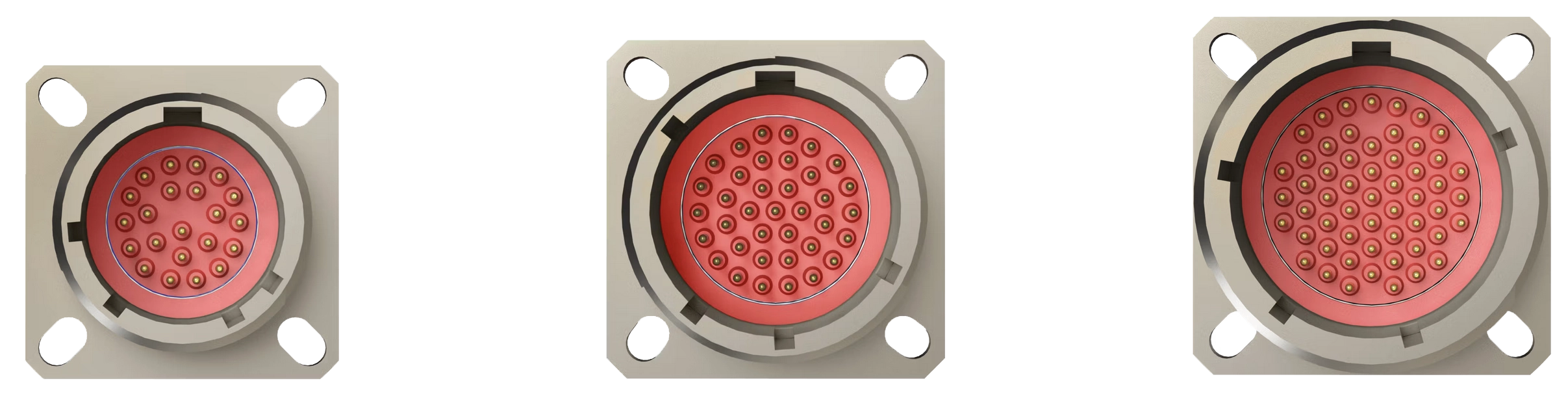
Custom EMI-Filtered MIL-DTL-38999 Connectors Built to Your Specs Powered By Spectrum Control + Richardson RFPD
Spectrum Control connectors deliver high performance and flexibility in a single circular package. With prototypes or production units in as little as 12 weeks and zero NRE…

Butler Matrices Ideal for MIMO Test Setups
Weinschel’s butler matrices are
multichannel MIMO testing for 4×4, 8×8, and 16×16 ports over a large frequency range for both transceiver and receive applications.
